Archives

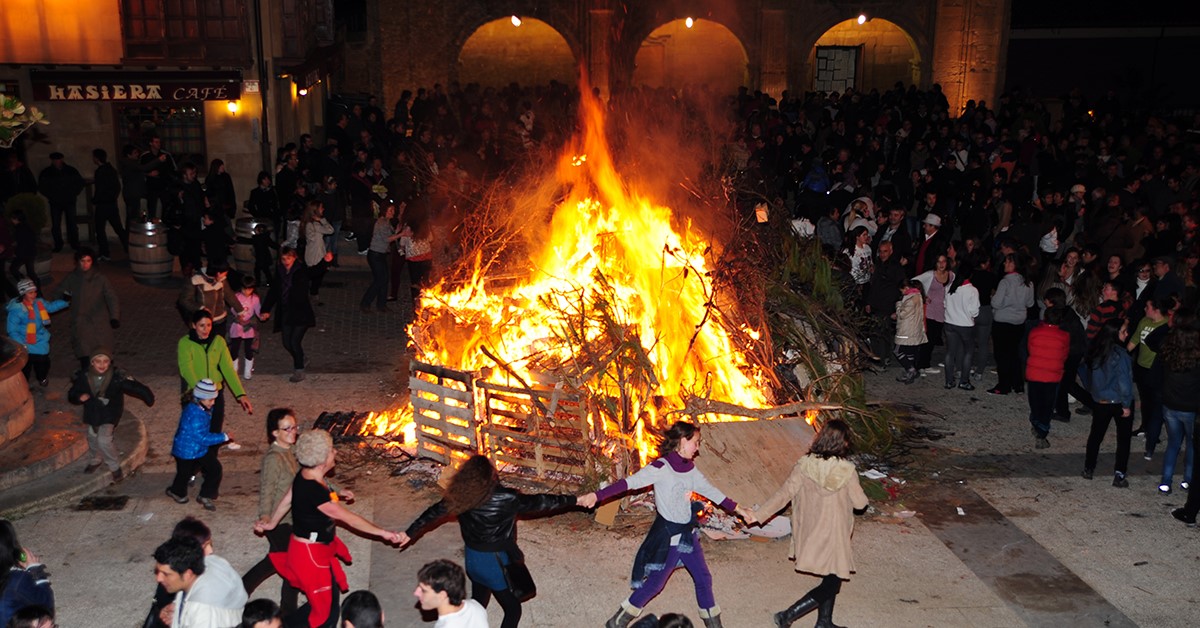
“La ronda” [round dance] in Labastida (Araba) on 7 December. Photo: E. X. Dueñas.
If we are referring to the northern hemisphere and, specifically, winter, while the start of the astronomical season is set by the Solstice between 19 and 22 December, depending on the year, the meteorological season is based on whole months: December, January and February.

Iker Ugalde. Labayru Fundazioa Photographic Archive.
It is grape harvest time in the Basque Country. Txakolin wine producers sample their grapes to check acidity levels, sugar content, and three or four other parameters, in search of optimal fruit maturity.
Home winemaking was once customary in our country. Most farmhouses would keep some vines, on orchard and field margins, typically, or in rows between cultivated fields, to make the so-called txakolina — a slightly sparkling, dry white wine— for their own consumption. A quarter of a century ago there would be just over a dozen hectares of vineyards in Bizkaia; today there are more than four hundred. (more…)


Slopes of Eneabe. Ubide (Bizkaia), December 1996. José Ignacio García Muñoz. Labayru Fundazioa Photographic Archive.
Spring-summer transhumance and transterminance, both implying movement of flocks to high pastures, were defined and dealt with in a previous post published on 17 May 2019.
With winter approaching, herds are brought down from the highlands, since adverse weather hamper the stay. And as the vegetative growth of grass stops or slows down due to cold winter temperatures, and there is not enough pasture in the lower valleys, herds are moved towards coastal areas, where milder temperatures prevail, or to warmer innermost regions of the country, such as the Royal Bardenas, frequented by most Pyrenean flocks, or even as far as Ebro Valley. (more…)
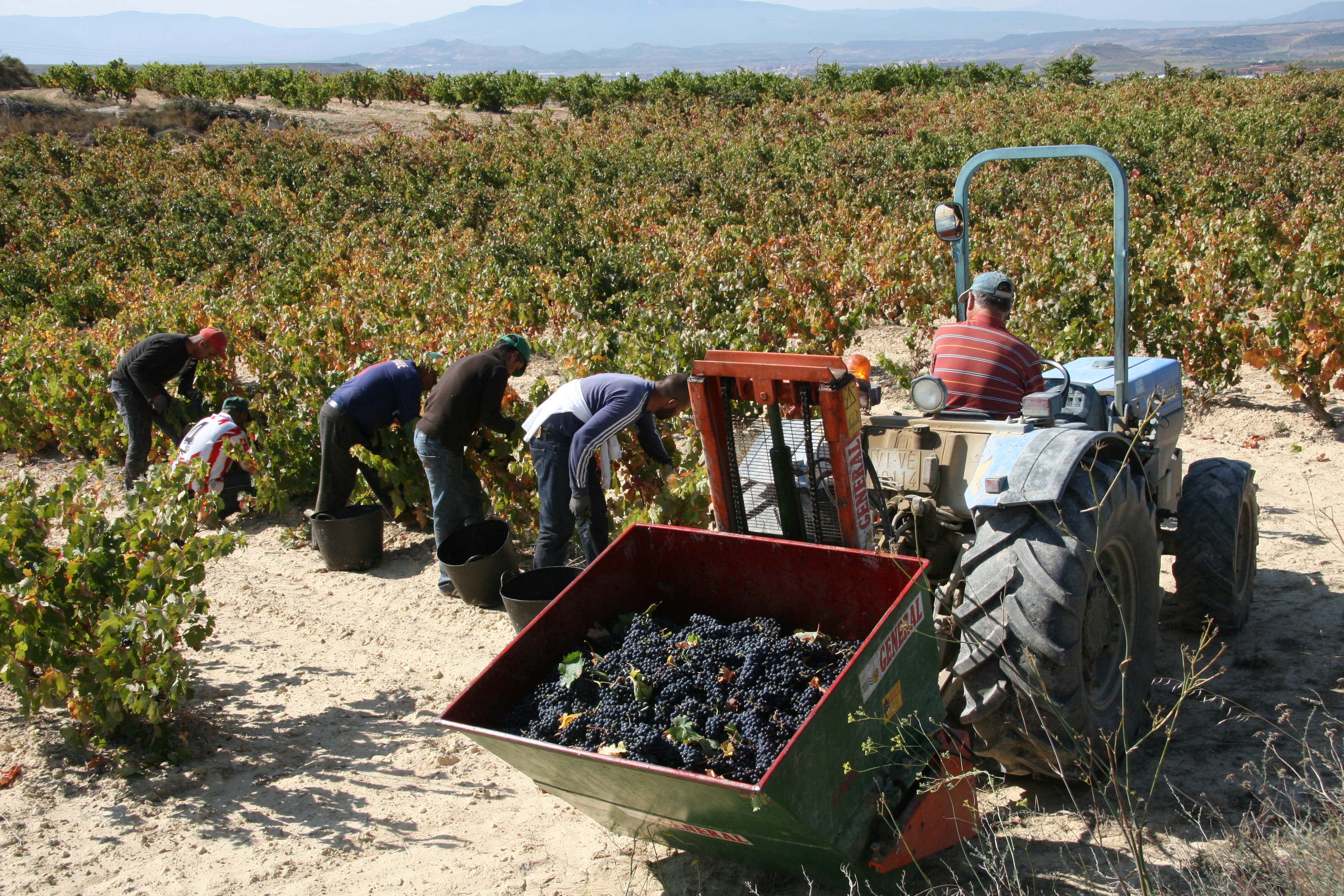
Crew of grape harvesters. Moreda de Álava, 2015.
As with students at their course-end exams, grape harvest is for Rioja Alavesa winegrowers the litmus test after a year of diligent care of the vineyards: vine pruning, ploughing and reploughing of vines and vineyard rows, crop thinning and weeding, phytosanitary treatments against insects and the dreaded downy mildew and powdery mildew, shoot tipping, offshoot trimming and thinning… It is a reward for a year’s work and effort. (more…)
Bilbo-Abando
Colon de Larreategi, 14 – 2. esk.48001 Bilbo (Bizkaia)
Tel.: +34 94 443 76 84
labayru@labayru.eus
Derio
Larrauri, 1A - 5.a48160 Derio (Bizkaia)
Tel.: +34 94 406 01 71
idazkaritza@labayru.eus
Bilbo-Bolueta
Metroalde eraikinaBilbo-Galdakao errep., 6A
48004 Bilbo (Bizkaia)
Tel.: +34 94 607 72 10
labayru@labayru.eus