Archives


Photo credit: Akaitze Kamiruaga. Labayru Fundazioa Photographic Archive.
The following data have been collected in Busturialdea (Bizkaia); in any case, the described process would likewise be applicable to other regions.
Gaztainea names both chestnut trees and chestnuts, gaztainadia is Basque for chestnut grove, and lokotsa refers to the prickly husk which holds the fruit. Txirpia is the name given to nurseries where young chestnuts and other cultivars are grown.
Two local varieties of chestnut trees have been known: lirio-gaztainak and sanmigel-gaztainak. These chestnut trees grow well in ravines and on slopes. For a good crop of unblemished, shiny chestnuts, trees needed to be grafted (eztitu), otherwise their fruits would be inedible (txikola). The wood of the ungrafted (eztitzaga) chestnut tree would, by contrast, be greatly appreciated for carpentry work and furniture manufacturing. St Michael’s chestnuts bear fruit earlier than the so-called lirio ‘lily’ variety.

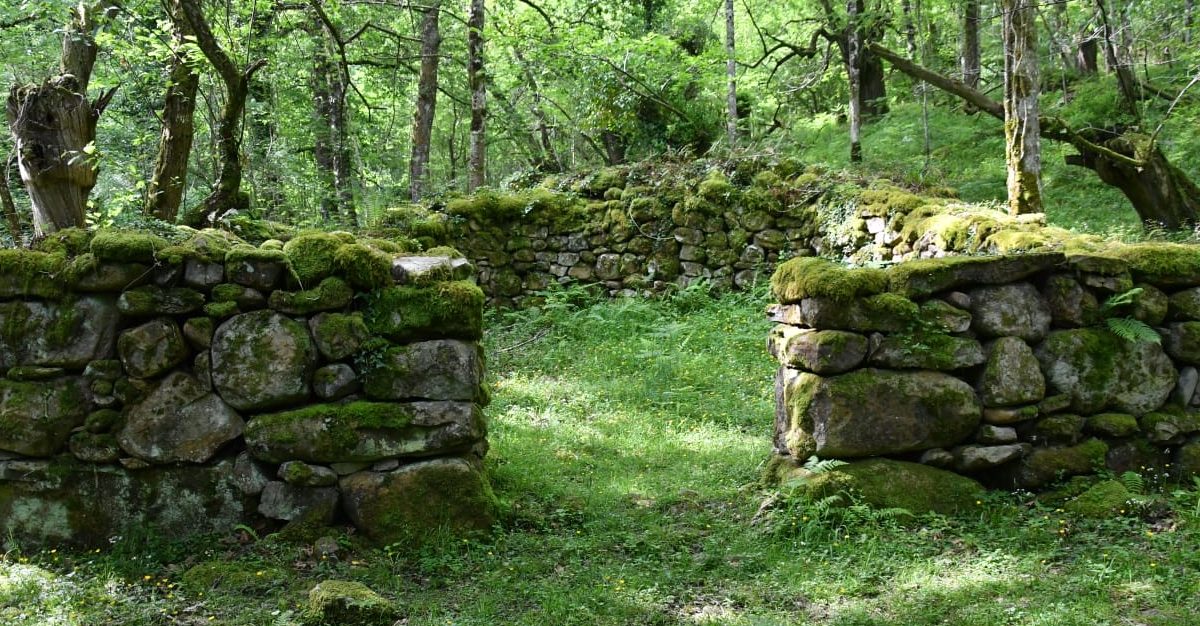
Chestnut enclosure of Lastrabe. Orozko (Bizkaia). Courtesy of Supelaur Kultur Elkartea.
The smell of roasted chestnuts shall soon fill the air as countless vendors take to the streets of villages, cities and towns. A cone of a dozen chestnuts for as much as three euros!
Now a favourite treat for cold, dark autumn and winter afternoons, chestnuts were a staple of the traditional Basque diet. And their consumption still prevailed among other nuts and dried fruits until half a century ago. (more…)
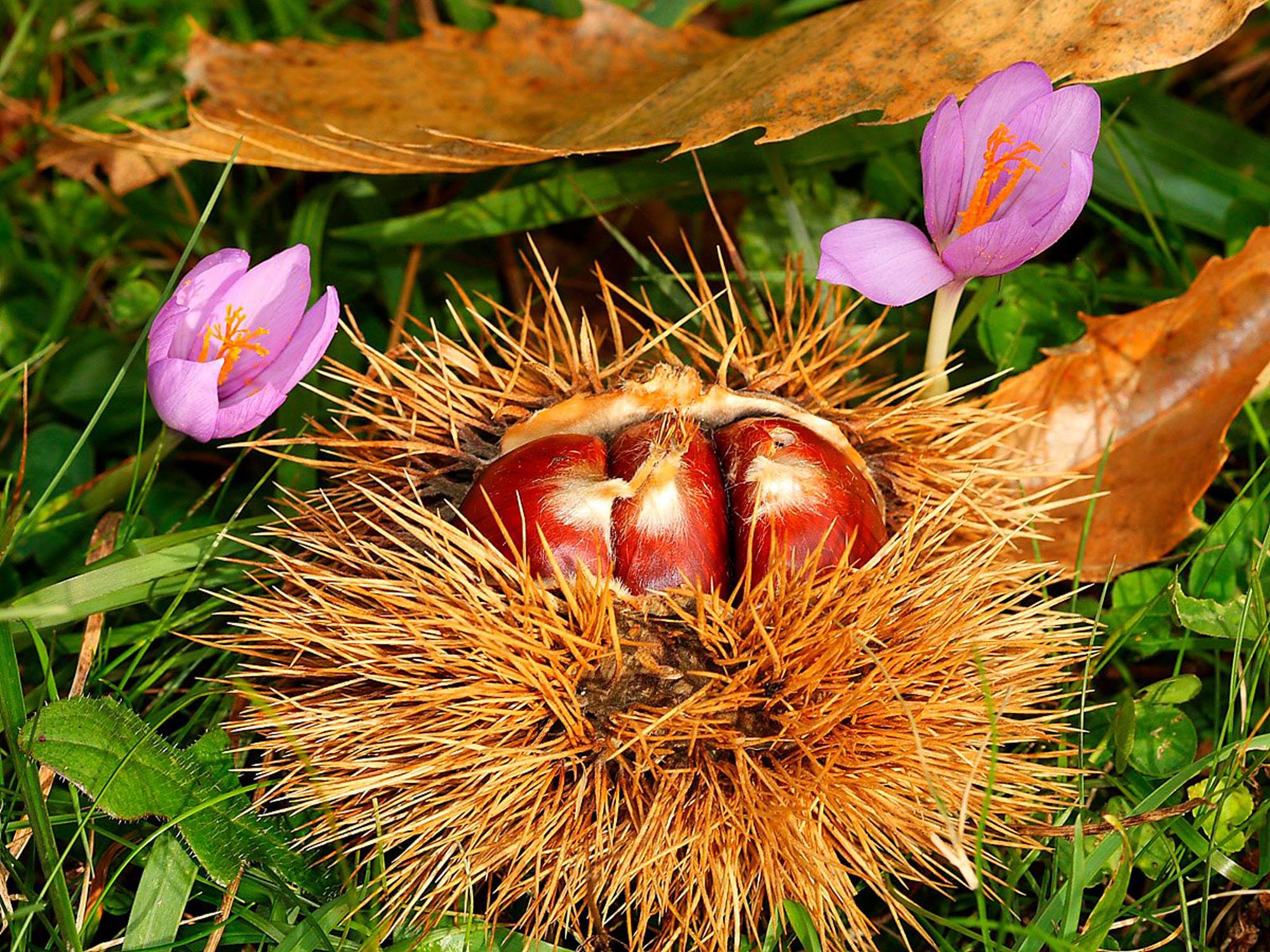
A chestnut burr. Sergio González Ahedo.
On 12 October, the Feast of Our Lady of the Pillar, the council of Zigoitia in Álava used to auction off the right to harvest chestnut trees on communal land in lots of one, two or three specimens. Chestnut can also be found in the mountains of the nearby localities of Etxaguen, Murua, Manurga, Acosta, Ondategi, Gopegi and Zestafe. (more…)
Bilbo-Abando
Colon de Larreategi, 14 – 2. esk.48001 Bilbo (Bizkaia)
Tel.: +34 94 443 76 84
labayru@labayru.eus
Derio
Larrauri, 1A - 5.a48160 Derio (Bizkaia)
Tel.: +34 94 406 01 71
idazkaritza@labayru.eus
Bilbo-Bolueta
Metroalde eraikinaBilbo-Galdakao errep., 6A
48004 Bilbo (Bizkaia)
Tel.: +34 94 607 72 10
labayru@labayru.eus