Archives
0

Iturria: Labayru Fundazioaren Argazki Artxiboa.
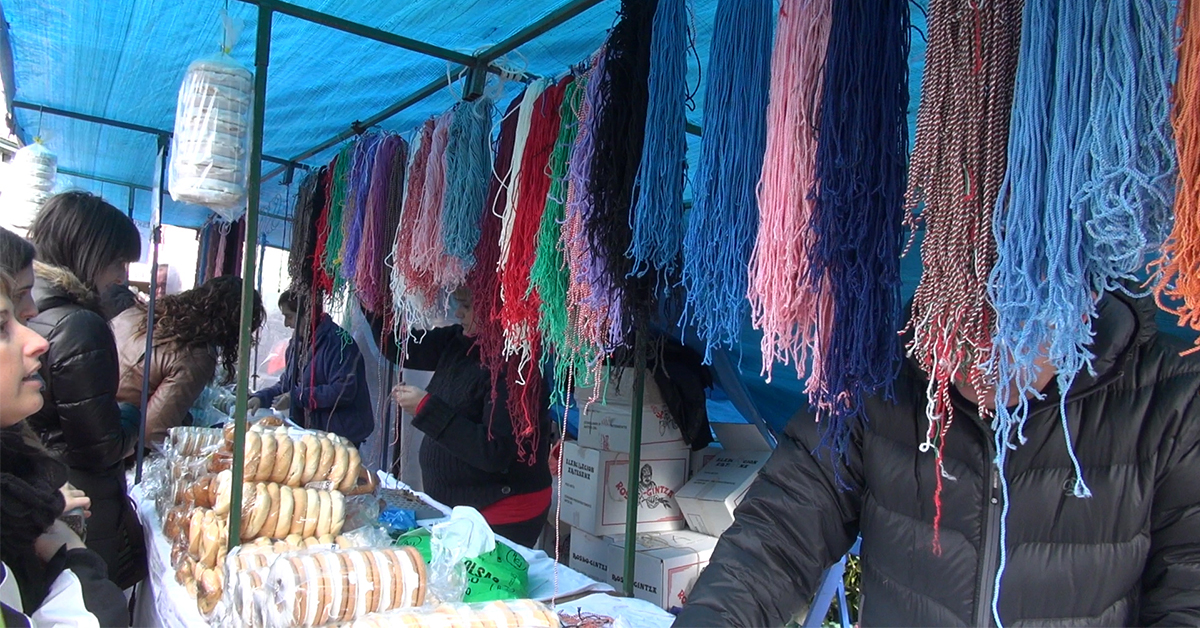
Source: Labayru Fundazioa Photographic Archive.
St. Blaise’s day is on 3 February and is one of the dates noted for beliefs and rituals whose roots probably lie in the earliest times, as they seem to coincide with nature waking up after winter.
The church, yet again, replaced it with the worshipping of the Armenian Blaise of Sebastea, St. Blaise, physician, bishop of Sebastea and Christian martyr. The devotion to this saint spread throughout Europe during the Middle Ages and he has been considered as the protector against sore throats ever since. And all the customs still practiced today can be traced back to that aspect.
(more…)
Bilbo-Abando
Colon de Larreategi, 14 – 2. esk.48001 Bilbo (Bizkaia)
Tel.: +34 94 443 76 84
labayru@labayru.eus
Derio
Larrauri, 1A - 5.a48160 Derio (Bizkaia)
Tel.: +34 94 406 01 71
idazkaritza@labayru.eus
Bilbo-Bolueta
Metroalde eraikinaBilbo-Galdakao errep., 6A
48004 Bilbo (Bizkaia)
Tel.: +34 94 607 72 10
labayru@labayru.eus